
From Self-Employment to Real Entrepreneurship: How a Fuse Service Franchise Helped Build a Business in Los Angeles
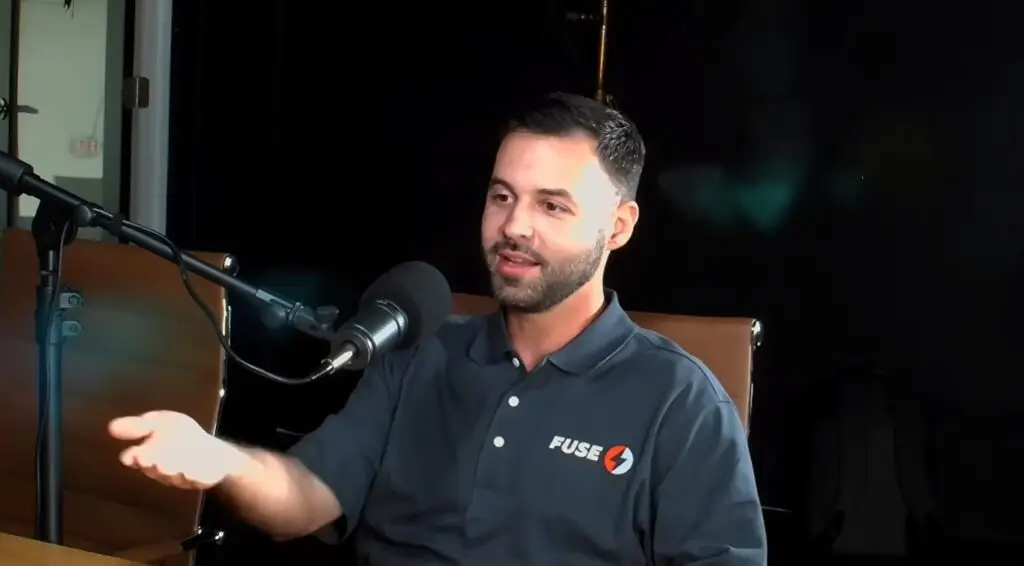
One of the most common questions people ask about franchising is simple:Why pay royalties if you can just use ChatGPT, read some instructions online, and try to build everything yourself? In theory, that sounds reasonable. In real life, business is not built on theory alone. It is built on systems, speed, execution, experience, accountability, and the ability to avoid wasting years on preventable mistakes. That is exactly what this story is about. In this interview, Misha, a Fuse Service franchise owner in Los Angeles, talks openly about his journey, why he chose a franchise model, how it changed the way he thinks about business, and why he believes the real value of a franchise is not just in the brand, but in the structure behind it. Starting Over and Looking for the Right Model Misha came to the United States from Ukraine in 2009. Before joining Fuse Service, he was already entrepreneurial. He had a small trucking business, supported a family, raised three children, and tried to find the right path in the American market. At some point, he realized he did not just want to stay busy. He wanted to put his capital into a real business model that could grow. He explored different opportunities and eventually decided that home services was the industry he wanted to enter. When he came across Fuse Service Franchise, the decision happened fast. From the moment he first heard about the opportunity to the point of seriously discussing the agreement, very little time passed. Why so quickly? Because he was not looking for just another idea. He was looking for a working system. Why He Chose a Franchise Instead of Building Alone One of the strongest themes in the interview is time. Misha says it very clearly: he did not want to waste years making avoidable mistakes, learning everything the hard way, and paying for those lessons with lost money, lost momentum, and lost opportunity. That is why he looked for a franchise. He wanted a model that already had: operating processes, sales structure, technical guidance, marketing support, training, live feedback, brand recognition, and people who had already been through the challenges he was about to face. For him, that was the shortcut that mattered. Not an easy shortcut.A smart shortcut. The Difference Between Being Busy and Being an Entrepreneur One of the most important insights from the conversation is the difference between self-employment and entrepreneurship. Before Fuse Service, Misha says he was essentially creating work for himself. He was active. He was responsible. He was making things happen. But he was not yet building a business system he could truly control and scale. After joining the franchise, that started to change. He began to understand: what processes really mean, how to manage performance, how to build operational control, how to think strategically, and how to grow something beyond personal labor. That shift is huge. A self-employed person often works from task to task.An entrepreneur builds a machine that can grow, improve, and create leverage. That is what he feels he began learning inside Fuse Service Franchise. Why ChatGPT Alone Is Not the Same as a Franchise A very modern question comes up in the interview:What if someone says, “Why do I need a franchise? I can just use ChatGPT and figure it out myself.” Misha’s answer is practical. Could someone theoretically do that? Maybe. But the real question is: How long will it take? How many mistakes will they make? And what will those mistakes cost them? Information by itself is not the same as execution.Reading is not the same as building.And prompts are not the same as live business experience. In home services, success depends on many moving parts working together: lead handling, sales, permitting, dispatch, technician development, installations, customer communication, vendor relationships, marketing, operations, and financial control. Trying to learn all of that alone, piece by piece, is possible. But it is slow. And it is expensive. For Misha, the value of the franchise was that many things were already organized, explained, and tested in real business conditions. The Power of Brand Recognition Another practical benefit he mentions is brand recognition. When you operate under the Fuse Service name, you are not starting from zero. The brand already creates credibility with suppliers, manufacturers, partners, and customers. Especially in the beginning, that mattered. He noticed that vendors recognized the brand, treated him differently, and in some situations even offered better support or pricing. In his view, some of those advantages alone helped offset part of the royalty cost. That is an important point many people underestimate. Brand recognition is not just about marketing.It also affects trust, access, positioning, and momentum. Real Growth Requires Discipline, Not Just Motivation Misha is very honest about growth. He says his business has grown significantly, but not because of fantasy, hype, or some “magic franchise effect.” It grew because he worked hard, stayed disciplined, and intentionally controlled the pace. He did not want to grow too fast before he understood the business deeply enough. He wanted to first become stronger technically and operationally before aggressively scaling. That mindset matters. A lot of people want a big business immediately.But if growth comes before control, it can destroy the business just as quickly as it builds it. Misha chose a more careful path: first build competence, then expand. The Franchise Does Not Build the Business for You One of the most honest parts of the interview is this:a franchise is not a magic pill. It does not build your business for you. It gives you: a roadmap, proven systems, structure, support, training, and access to knowledge. But you still have to do the work. Misha makes it clear that people who expect everything to be handed to them are approaching franchising the wrong way. The people who benefit most are the ones who are willing to apply the processes, stay coachable, keep learning, and put in sustained effort. That is why the model works best for action-takers.